

Daniel Firth
Member since 2018

Motorsports: One of the earliest techniques I tried to master when starting photography was panning – following the subject with the camera in order to avoid motion blur on the subject but conversely, add motion blur to the background to give the image a sense of movement and speed. Motorsport has been a subject I have revisited many times over the last 11 years since starting photography.


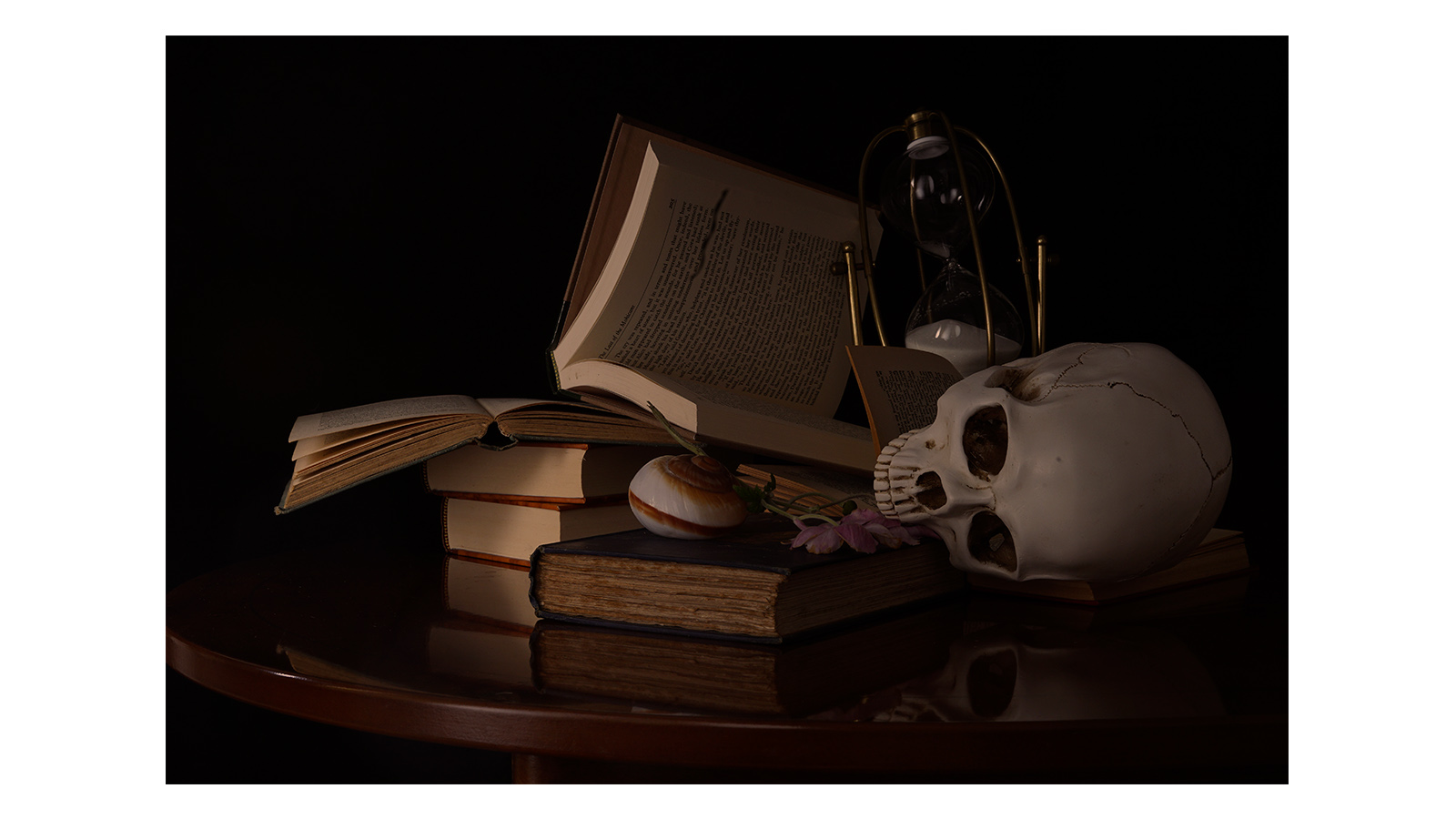
Still Life: “Memento Mori” is Latin for “Remember you will die”, it is a common theme through the sub-genre of still life known as ‘Vanitas’. It may sound morbid but to a deeply religious 17th century Dutch society this was really a call to live a good and virtuous life. Think of it more as “Remember you will die one day and meet your maker”, it’s a subject that inspires me when doing still life photography.




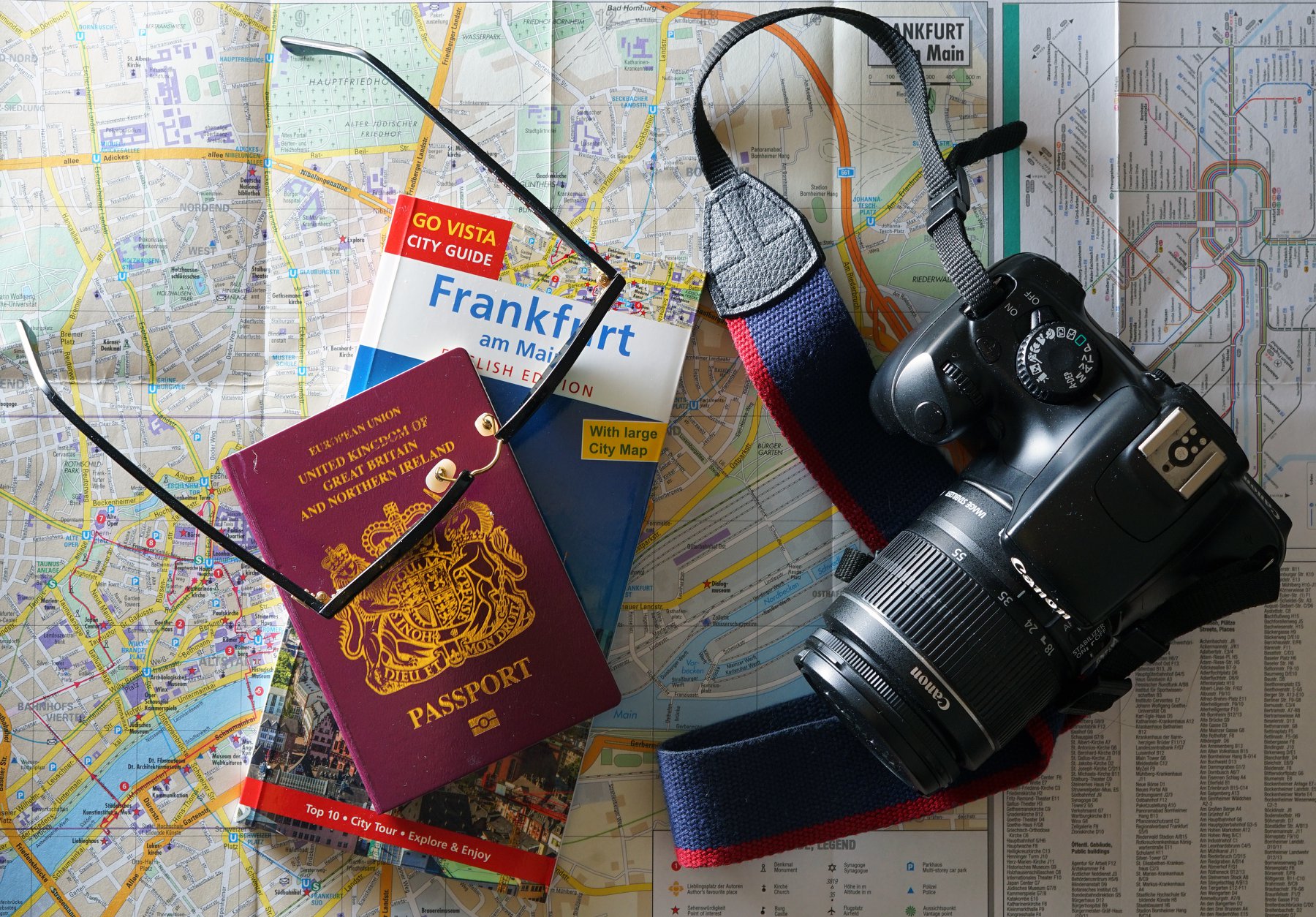
(Land/City/Water/Sky-) Scapes: Separating the holiday snaps from the keepers is one of the first things I do when I come home from a trip.


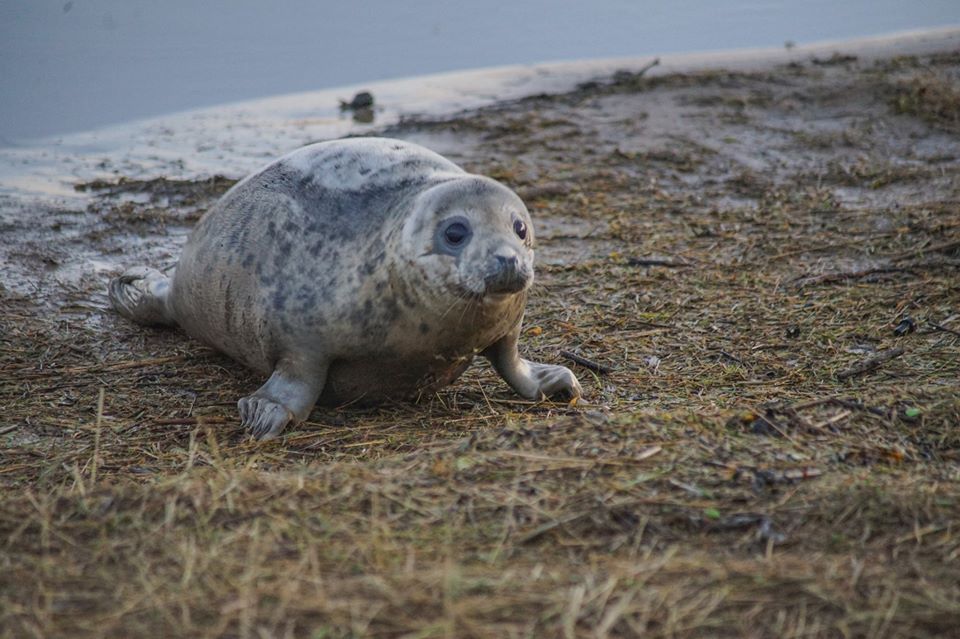
Animals: I don’t have the patience to be a wildlife photographer. Sitting in a bird hide for hours isn’t my idea of fun, although I do have enormous respect for those who do. That said, I do occasionally like to snap animals when I have the (almost guaranteed) opportunity to do so.


Portraits: When working with a model, I feel the photograph is somewhat of a collaboration; you’re looking for a specific shot but so is the model. Both parties need to be in-sync to execute the idea.


Street: My introduction to street photography was the workshop with Stewart Wall in 2019. It’s not my usual thing but it certainly was fun. Whilst some went for the (probably more sensible) covert approach – taking photos on the sly or with mobile phones – I took a big bulky tripod in order to drop the shutter speed.


Composites: Some take an unkind view to composite shots and refer to it as “graphic design”, as someone who has actually worked in graphic design, it is definitely not the same thing – if the shots were taken with a camera it’s fair game as far as I’m concerned – unless of course, you’re entering a composited shot into a competition whose rules forbid it. Composites have been around since the 19th century, it didn’t start with Photoshop believe it or not.


Analogue: Despite popular belief, analogue is not dead! In fact, it is experiencing somewhat of a resurgence. Prior to the first national lockdown I experimented with the wet plate collodion process – a process invented in the 1850’s. I had varying degrees of success whilst trying but was happy to get some shots in the end. Here are some of the good, the bad and the ugly.
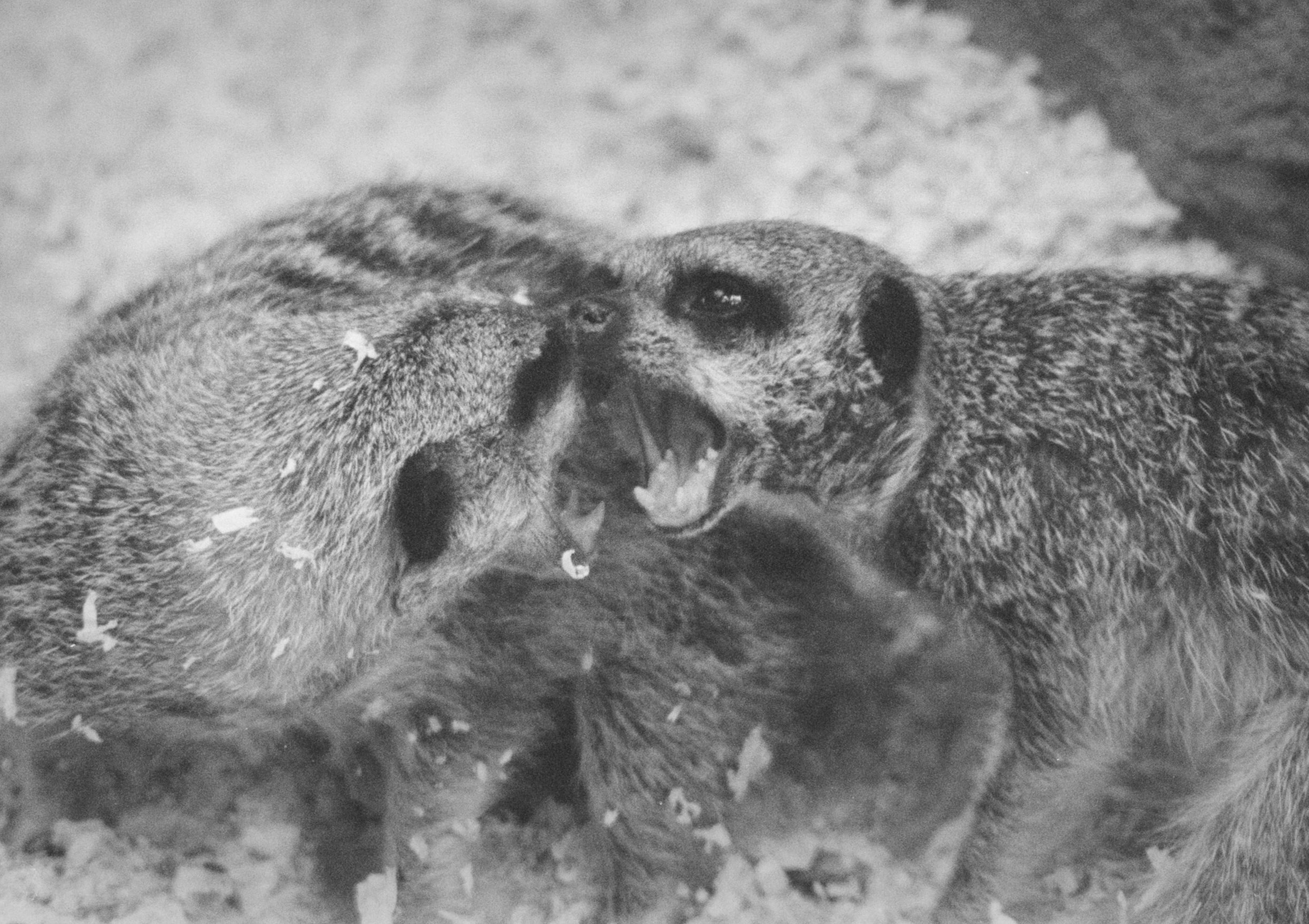


Inspiration Board: a few images that have influence what I do.


My Posts
- Look North FeatureICYMI some our members’ photos were featured on yesterday’s Look North. Thanks to everyone who sent in pictures at such short notice. Unfortunately, the club doesn’t get a specific mention but photos from; Steve Mercer, Daniel Firth, Diane Seddon and Mike Stringer do feature in a montage of photographs taken in the region.
- Collodion SagaI fancied having a go with wet plate collodion. I’ve had a go previously making tintypes using the slightly easier dry plate gelatine process. But I’ve wanted to do wet plate for a while, so last week I ordered silver nitrate, pre-mixed collodion, developer, sodium thiosulphate and Sandarac varnish. The collodion process was invented in 1851